
What is a creative study?
A creative study is a deep creative analysis that explains why some ads performed better than others. It covers video and static ads, combining their results with a close look at the creative itself and at what competitors are running, then turns the findings into briefs and builds the new creative. In short, a creative study tells you what worked, why, and what to make next.
Northtrail Apex, 8 ads. CTR against the campaign average of 2.58%
Performing (3)
 +55%
 +26%
 +23%
Average (1)
 +13%
Holding back (4)
 -28%
 -33%
 -39%
 -40%
Verdict: the studio and graphic ads beat the average. Every outdoor ad, natural or urban, sits below it.
What does a creative study look at?
A good study starts with the results, then works back to the causes. It usually covers:
Northtrail Apex creatives on CTR
Campaign average: 2.58%
Ads with these did better
- +39%
Studio or abstract
Background setting · 2 creatives
- +39%
Dramatic product render
Visual style · 2 creatives
- +20%
Technical performance
Core message · 4 creatives
Ads with these did worse
- −36%
Urban outdoor
Background setting · 2 creatives
- −35%
Cinematic lifestyle photo
Visual style · 4 creatives
- −35%
Natural outdoor
Background setting · 2 creatives
Why did one ad perform better than another?
Performance data shows which ad won, but rarely the reason. A creative study breaks each ad into its elements, then compares results across them to show which ones made the difference, alone or in combination. That turns a single result into a lesson you can apply to the next campaign.
Why do people stop watching a video ad?
A retention curve shows when viewers leave, but not why. A creative study lines up drop-off rates with a timed read of the video, so you can see what was on screen at the moment people left. That read covers:
- The hook in the first three seconds
- Each beat of the story
- When the product and brand first appear
- Sound and on-screen text
- The end card
Video- Length
- 0:15
- Scenes
- 8
- Product first seen
- 4.5s
- Brand said
- 10.1s
- Logo first seen
- 11.2s
- Sound
- Voiceover
- Watching at 3s
- 41%
41% are still watching at 3 seconds, ahead of Northtrail’s usual 33%. By the time the product appears at 4.5s, 32% remain.
Scene by scene
HookSceneProductBrand saidLogoEndingStill watching
Plays 48,210ThruPlays 7,330Average watch 4s
Key moments
Still watching
- 0.0sHookA runner’s feet hit wet tarmac at dawn100%
- 4.5sProductClose-up of the Apex sole flexing mid-stride32%
- 11.2sLogoNorthtrail logo over the finish line19%
How is a creative study different from a campaign report?
A campaign report covers delivery and results: where the budget went and what it achieved. A creative study focuses on the work itself and asks why those results happened. The two work well together, because the report shows what worked and the study explains why.
What do you get from a creative study?
You get a presentation with a clear verdict on each ad, the elements behind the results, a read of your competitors, and a creative brief for each recommendation. Each brief sets out the idea, the evidence behind it and the ads to look at, so the team making the next round starts from what the data has already shown.
Brief 1 of 3
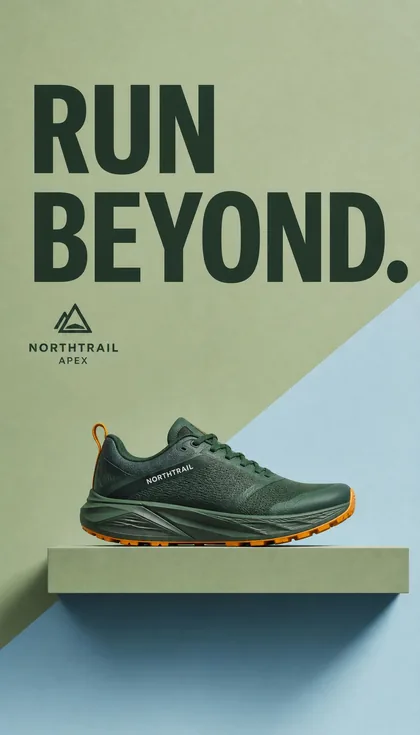
Studio product render with a technical claim
The idea
Lead with the Apex as a dramatic product render on a studio or abstract background, with a single technical claim in the first line, such as the recycled knit upper. Show the shoe clearly, with nothing competing for attention.
Why
Ads with a dramatic product render beat the 2.58% average CTR by 39%, and so did studio or abstract backgrounds. Ads with a technical performance message did 20% better, and 3 of those 4 were above average.
Ads to look at
Own ad
CTR 4.01%
Own ad
CTR 3.25%
When should you run a creative study?
Before a pitch or a big brief
Start from evidence about what has worked for the brand so far.
In-flight
Find out what to change while there is still budget left to spend.
Between campaigns
Carry what you learned into the next brief, not just the next report.